How Eligibility Is Decided (Income, Household Size & More)
The common factors programs use to decide who qualifies — and how to read the rules without the jargon.
Member guideBefore you can navigate any program, it helps to understand how Support Systems are built. This category breaks down what they are, who runs them, how eligibility is decided, and how to read the rules without the jargon — so every other guide on the site makes sense.

Most people meet a Support System at the worst possible moment — right after a layoff, a new baby, a rent increase, or a surprise medical bill. That is exactly when the language of these programs feels the most confusing. Acronyms pile up, qualification rules read like tax code, and every website seems to assume you already know how the system works. This category exists to fix that. Before you dig into a specific program, this guide gives you the mental model that makes all of them easier to understand.
Think of fundamentals as the grammar of household support. Once you know how a Support System is structured — who creates it, who runs it, who it is meant for, and how it delivers value — you can read any new program in minutes instead of hours. You stop feeling lost and start asking the right questions. That shift, from confusion to confidence, is the entire purpose of this section.
A Support System is simply a program — usually run by a government agency or a nonprofit organization — designed to lower a cost, cover a need, or offset a tax for households that qualify. That is the whole definition. It is not a loan you have to pay back. It is not charity in the old-fashioned sense, and it is not a favor someone is doing for you. It is a structured benefit your household may be entitled to use if you meet published, written rules.
The reason these programs feel intimidating is rarely the benefit itself. It is the packaging. A heating-cost program, a healthcare marketplace, a tax credit, and a rental assistance fund can all look completely different on the surface, even though they share the same underlying shape. When you learn to see that shape, the surface differences stop mattering so much. You begin to recognize the same four moving parts in every program you encounter.
Almost every Support System, no matter how complicated it looks, can be broken into four questions. Memorize these four and you will never feel completely lost again:
The Low Income Home Energy Assistance Program (LIHEAP) is a Support System that can reduce heating and cooling costs. A state office runs it, qualification depends mainly on household size and income, the benefit is a reduced or offset energy bill, and you confirm eligibility before anything is applied. Same four-part pattern as every other program — only the details change.
One of the most common sources of confusion is assuming all programs come from the same place. They do not. Support Systems are administered across three broad levels, and the level often decides how you apply and what you qualify for.
Federal programs set nationwide rules and funding, but they are frequently delivered through your state. State programs can expand on federal rules, add their own benefits, or set different income limits, which is why the same program name can mean different things in different states. Local programs — run by counties, cities, utilities, and nonprofits — often fill the gaps the larger programs miss, and they are the ones households overlook most. Understanding which level you are dealing with tells you where to look and who to ask.

Eligibility sounds complicated, but most programs lean on the same small set of factors. When you read a new program, scan for these first:
Notice that none of these factors is a mystery. They are written down, usually in plain tables. The skill is not guessing — it is locating the rule and comparing it to your real numbers. That is a learnable habit, and it is the single most valuable thing this category teaches.
Program language is dense on purpose: it has to be precise. But you do not need a law degree to read it. A few habits make the fine print far less intimidating. First, look for the eligibility table before you read the prose — the table usually answers your biggest question in seconds. Second, write down the program's definition of "household" and "income," because those two words carry most of the weight. Third, separate the words "may" and "must": "may" describes options, while "must" describes requirements you cannot skip.
Finally, watch for deadlines and enrollment windows. Many Support Systems only open at certain times of year, and missing a window can mean waiting months. A program you qualify for is only useful if you reach it while the door is open. Keeping a simple list of relevant dates is one of the most practical things any household can do.
A surprising number of households never explore programs they qualify for because of beliefs that simply are not true. The most damaging myth is "we probably make too much to qualify." Income limits vary widely, many programs use generous thresholds, and some are not income-based at all. Another myth is that using a Support System takes the benefit away from someone who needs it more — most programs are funded to serve every eligible household, not a fixed few.
A third myth is that the process is always long and painful. Some programs are, but many take minutes to check and only ask for documents you already have. The cost of believing these myths is real: it is money left unused and stress that never had to happen. Replacing assumptions with a quick eligibility check is almost always worth the few minutes it takes.
You do not need to read every program rule before you begin. The smartest approach is to start broad and then narrow down as you learn more about your own situation:
Fundamentals are the foundation for everything else on AIdchannels.com. Once the four-part pattern feels natural, the cost-management, life-stage, tax-offset, healthcare, and housing categories all become far easier to navigate. Take your time here, and the rest of the journey gets simpler.
Unlock these in-depth Member guides to go from understanding the basics to navigating real programs with confidence.
 Member
The common factors programs use to decide who qualifies — and how to read the rules without the jargon.
Member guide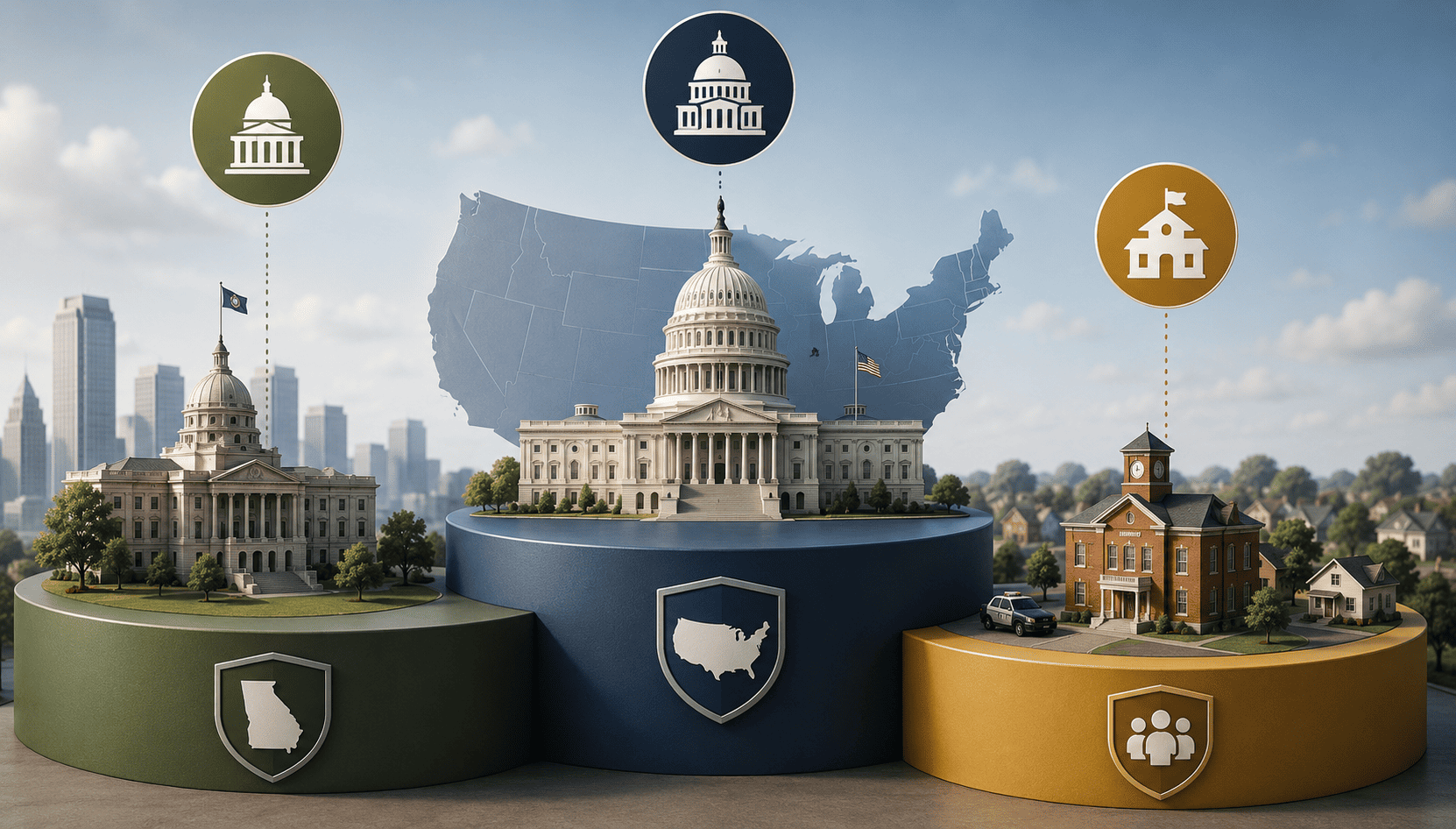 Member
Why the same Support System can look different in every state, and where to start looking.
Member guide Member
The paperwork most programs ask for, and how to prepare it once so you are ready for any application.
Member guideThe free Support System Finder takes about two minutes.