A Simple Household Cost Plan That Actually Sticks
A beginner-friendly way to map monthly costs and spot where a Support System could close a gap.
Member guideLowering what your household spends each month is rarely about cutting back harder — it is about knowing which costs a Support System can reduce for you. This category explains how to map your spending, find the gaps, and connect them to the programs built to help.

When money feels tight, the usual advice is to "spend less." It is well-meaning, but it misses something important: a large share of a typical household budget is made up of costs that Support Systems are specifically designed to lower. Energy bills, utility costs, healthcare premiums, and certain taxes are not fixed in stone. For households that qualify, these are exactly the line items that programs reduce or offset. Cost management, done well, is less about willpower and more about knowing where to look.
This category gives you a practical framework for taking control of your monthly spending. You will learn how to map your costs into clear categories, spot the gaps where you may be overpaying, and match those gaps to the Support Systems that exist to close them. The goal is not a stricter budget. The goal is a smarter one, where every dollar of help you qualify for is actually being used.
Budgeting and Support Systems are usually treated as two separate topics. They are not. A budget shows you where your money goes; Support Systems change how much certain categories cost in the first place. When you put them together, you get something more powerful than either alone: a clear picture of your spending plus a list of programs that could shrink it.
Consider a household spending heavily on heating in winter. A pure budgeting approach might cut groceries to compensate. A Support System approach asks a different question first: is there an energy program that reduces that heating bill directly? If the answer is yes, the budget problem partly solves itself — without anyone going hungry. That is why we treat cost management as a navigation skill, not just a discipline.
You cannot manage what you have not measured. Before chasing any program, spend twenty minutes sorting a recent month of spending into five simple buckets. This is the foundation everything else builds on:
Once your spending is in buckets, the picture usually becomes obvious. One or two categories dominate, and those are the ones worth attacking first — both with smart budgeting and with the right Support System.
A household notices that energy and utilities eat up nearly a fifth of their monthly spending. Instead of trimming groceries, they check whether they qualify for LIHEAP and a local utility's discount program. The same dollars stay in the budget — the bill simply gets smaller. That is cost management driven by Support Systems.
Energy is the category where Support Systems do the most visible work. Programs like the Low Income Home Energy Assistance Program (LIHEAP) help households offset heating and cooling costs, while weatherization programs reduce future bills by improving insulation and efficiency. Many utility companies also run their own discount or budget-billing programs that smooth out seasonal spikes.
These programs follow the same four-part pattern as every Support System: a state office or utility runs them, qualification depends mainly on household size and income, the benefit is a reduced or offset bill, and you confirm eligibility before anything is applied. Because energy programs often have seasonal enrollment windows, timing matters. Checking in early autumn, before winter demand peaks, is one of the most practical cost-management habits a household can build.


A budget fails when it is too complicated to maintain. The version that sticks is simple enough to update in a few minutes and honest enough to reflect real life. Start with the five buckets above, set a rough target for each, and check in once a week rather than agonizing daily. The point is direction, not perfection.
The most useful move is to pair each bucket with a question: "Is there a Support System that lowers this?" For housing, that might be a property tax offset or rental program. For energy, an assistance or weatherization program. For healthcare, a marketplace subsidy or community clinic. A budget that includes these questions is no longer just a record of spending — it becomes a plan for reducing it.
The first mistake is cutting essentials before checking for help. Slashing the grocery budget to cover a heating spike can hurt a household's health while a perfectly good energy program goes unused. The second mistake is assuming utility programs are only for people in crisis — many use generous income limits and serve a wide range of working households.
A third mistake is ignoring small recurring costs. Subscriptions, fees, and add-ons rarely feel significant on their own, but together they can equal a meaningful bill. Reviewing them once or twice a year is quick and often surprisingly profitable. The goal is balance: trim the waste, and let Support Systems handle the big structural costs you cannot simply cut.
Cost management improves fastest when you take small, concrete steps rather than trying to overhaul everything at once:
Done consistently, this turns a stressful, reactive budget into a calm, proactive plan. You stop being surprised by bills and start anticipating them — with the right Support Systems already lined up to help.
Unlock these in-depth guides to turn a simple budget into a real plan for lowering your monthly costs.
 Member
A beginner-friendly way to map monthly costs and spot where a Support System could close a gap.
Member guide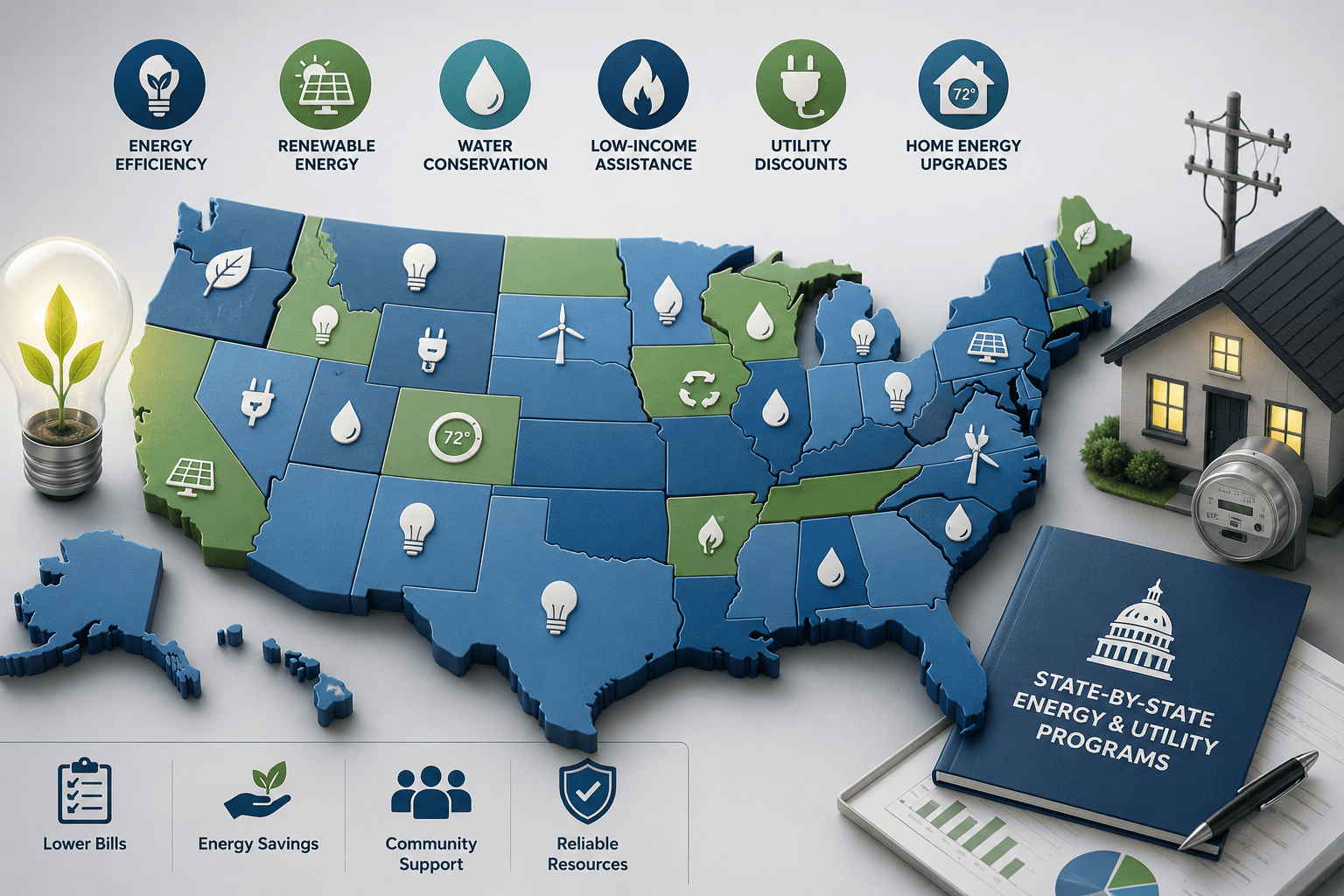 VIP
VIP
An in-depth, state-specific walkthrough of utility cost programs, refreshed each quarter.
VIP walkthrough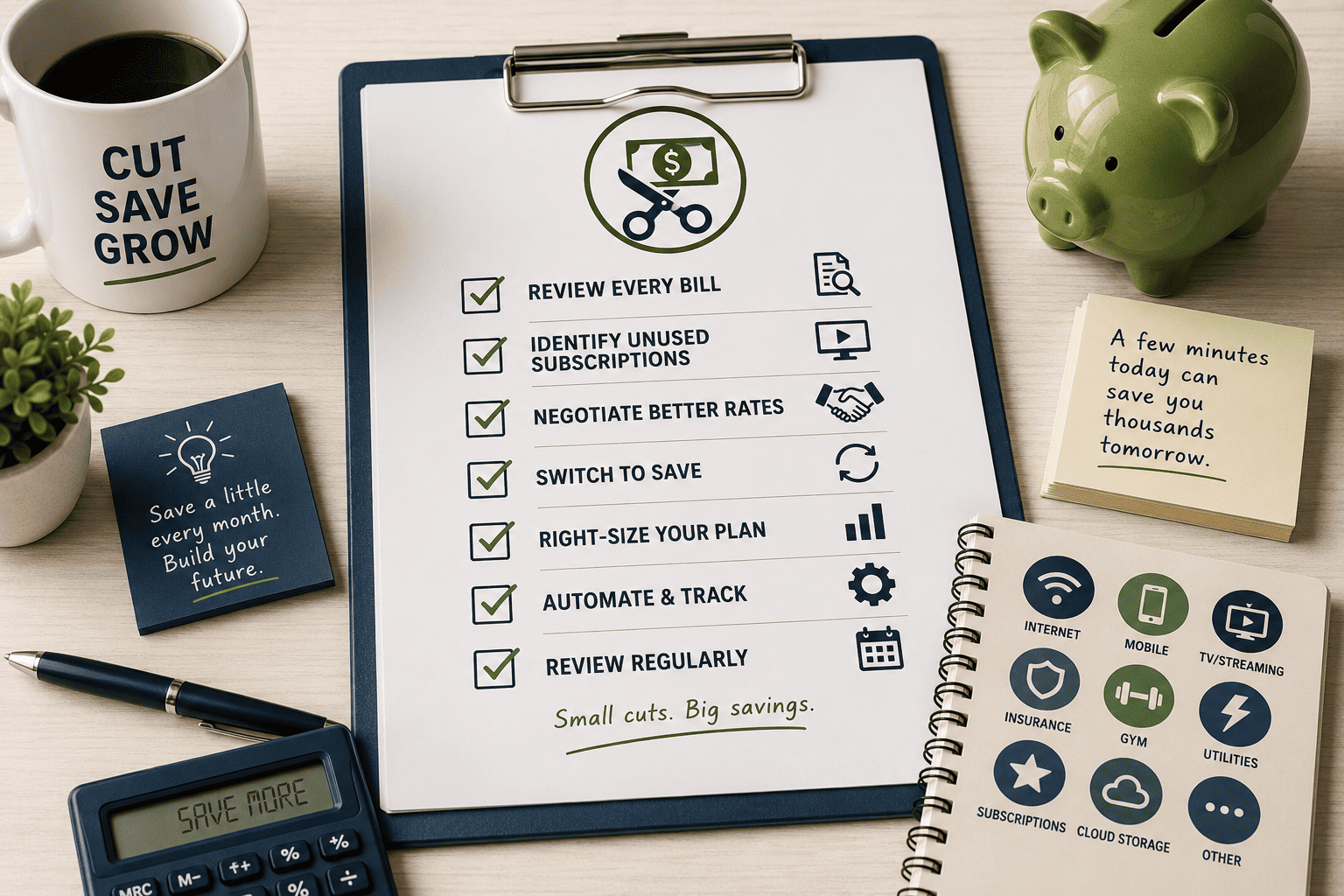 Member
A room-by-room, bill-by-bill review that surfaces the small costs quietly draining your budget.
Member guideThe free Household Cost Gap Analyzer takes about two minutes.